Introduction
Landscape design plays an important role in transforming an outdoor area into a beautiful, functional, and welcoming space. A thoughtfully planned landscape not only improves the visual appeal of a property but also creates a better connection between the built environment and nature.
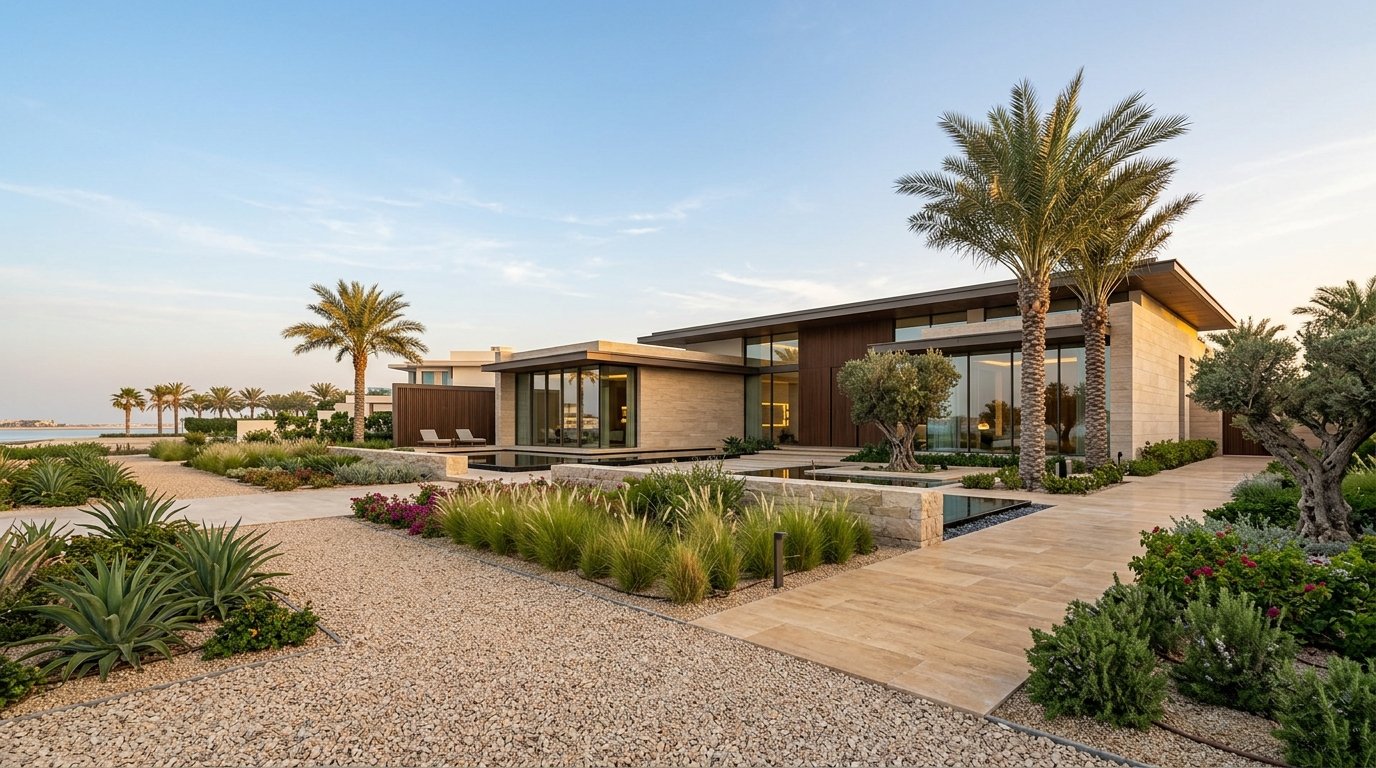
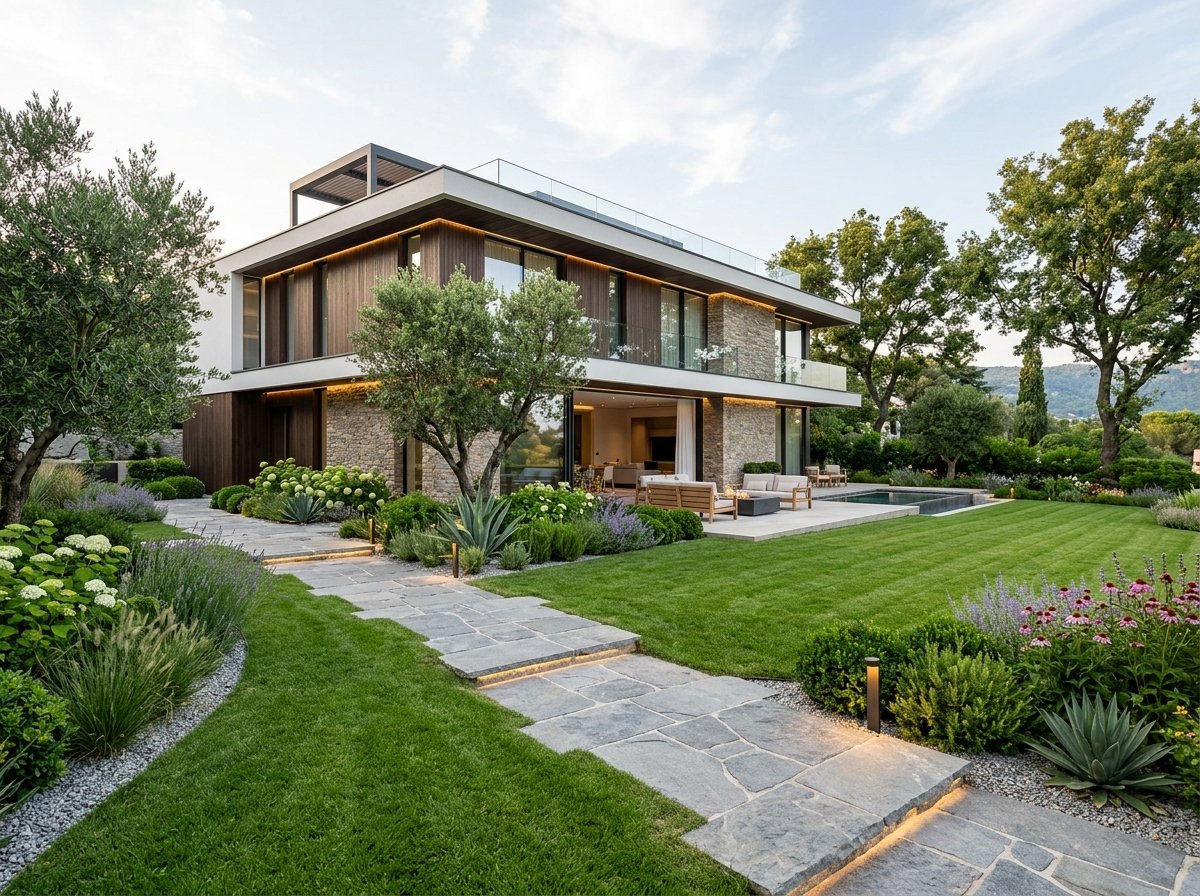
The Landscape Design Project – Latheef is designed with a focus on creating a harmonious outdoor environment by combining greenery, open spaces, pathways, and carefully planned hardscape and softscape elements. Every part of a landscape has a purpose, from the selection and placement of plants to the arrangement of functional areas.
A good landscape design should reflect the character of the property while also considering factors such as climate, space availability, maintenance, accessibility, and the needs of the people using the space. Through proper planning and thoughtful design, an ordinary outdoor area can become a relaxing and visually attractive environment.
This project highlights the importance of balancing aesthetics, functionality, greenery, and practical design to create an outdoor space that complements the property and remains enjoyable for everyday use.
Understanding the Landscape Design Project
Landscape design involves the careful planning and arrangement of different outdoor elements. A successful landscape should complement the building while also considering factors such as space, sunlight, accessibility, maintenance, and user requirements.
For the Latheef project, the landscape concept can be developed around a clean and organized layout where softscape and hardscape elements work together. The goal is to create an outdoor environment that looks visually appealing without making the space feel overcrowded.
Importance of Proper Landscape Planning
Proper planning is one of the most important stages of any landscape design project. Before selecting plants or designing pathways, the available space needs to be understood carefully.
Important factors include:
Size and Shape of the Outdoor Area
Analyzing perimeter boundaries, setbacks, and geometry to optimize every square meter without visual friction.
Location of the Building
Ensuring visual flow between interior living rooms, main entrances, and outdoor courtyards.
Sunlight and Shade Conditions
Mapping sun angles throughout the seasons to place shade trees and light-loving flowering beds accurately.
Existing Trees and Vegetation
Preserving mature trees to anchor the site naturally and provide immediate canopy cover.
Soil and Drainage Conditions
Assessing natural percolation, ground levels, and grading slopes to prevent stagnant water collection.
Movement and Accessibility
Designing wide, non-slip, unobstructed pathways connecting parking, porches, and backyard recreation zones.
Maintenance Requirements
Selecting hardy, climate-adapted plants that maintain high visual standards with reasonable routine upkeep.
Client Preferences and Lifestyle
Tailoring the outdoor space for relaxation, family gatherings, children’s activities, and aesthetic hospitality.
Considering these factors helps create a landscape that is both attractive and practical.
Softscape Elements
Softscape refers to the living elements used in landscape design. Plants, lawns, shrubs, flowers, and trees are some of the most common softscape components.
In the Latheef landscape project, greenery can be arranged strategically to create a refreshing and natural atmosphere. Different plant heights, textures, and forms can be combined to add depth and visual interest.
Plants and Greenery
Plant selection should be based on the local climate, available sunlight, soil conditions, and maintenance requirements. Choosing suitable plants helps maintain the landscape's appearance while reducing unnecessary maintenance.
Trees can provide shade and a natural focal point, while shrubs and flowering plants can be used to define areas and add colour. Groundcovers and lawn areas can provide a soft visual transition between different parts of the landscape.
Shade & Focal Trees
Anchor vertical scale, cast cooling canopy shade, and create natural visual focal points across property corners.
Shrubs & Flowering Plants
Delineate spatial borders, soften hard building edges, and introduce seasonal accents of colour and fragrance.
Groundcovers & Lawns
Provide lush, open emerald surfaces that link walkways with planting beds and create restful negative space.
Hardscape Elements
Hardscape refers to the non-living structural elements of a landscape. These elements provide functionality and help organize the outdoor space.
Common hardscape features include:
- Walkways: Guiding traffic flow cleanly and protecting turf from compaction.
- Paved areas: Providing firm, level foundations for outdoor seating, dining, and vehicles.
- Seating spaces: Built-in benches and garden lounges offering comfortable spots to relax.
- Boundary features: Fences, decorative compound walls, and privacy screens defining property edges.
- Steps: Safely managing grade changes and enhancing architectural elevation.
- Decorative elements: Sculptures, planters, water features, and accent lighting.
- Outdoor activity areas: Dedicated zones for recreation, morning workouts, and leisure.
For the Latheef project, hardscape elements can be planned to create clear movement through the landscape while maintaining a simple and elegant appearance.
Creating a Balanced Outdoor Space
One of the main principles of landscape design is balance. Too many plants can make a space feel crowded, while too much hardscape can make it appear dull or overly constructed.
A balanced landscape combines greenery and structural elements in the right proportions. Open lawn areas can provide breathing space, while planting beds and pathways can create structure and definition.
The design should also maintain a visual connection between the building and the outdoor space.
| Element Category | Common Risk of Over-Emphasis | Balanced Design Approach |
|---|---|---|
| Softscape (Plants & Turf) | Overgrown appearance, blocked natural light, excessive pruning requirements | Multi-tiered plant heights with dedicated lawn open space |
| Hardscape (Paving & Walls) | Excessive heat absorption, barren look, rigid commercial atmosphere | Permeable pavers, stepping stones embedded in grass, green buffer borders |
| Pathways & Circulation | Disjointed layout, awkward shortcuts, fragmented spaces | Organic, intuitive routes guiding users effortlessly to destinations |
Pathways and Movement
Pathways play an important role in landscape design because they guide people through the outdoor area.
A well-planned pathway should be easy to use and visually connected with the overall landscape. The materials, shape, width, and placement of the pathway should complement the architecture of the property.
Instead of simply connecting two points, pathways can become an important design feature when combined with planting areas and other landscape elements.
Aesthetic Appeal and Functionality
A successful landscape should not only look beautiful but should also serve a purpose.
The Latheef landscape design can be planned to provide:
- A welcoming entrance: An inviting foyer pathway creating an uplifting first impression.
- Comfortable outdoor spaces: Private, shaded seating zones for everyday rest and family time.
- Better visual connection with nature: Framing outdoor greenery clearly from indoor windows.
- Organized circulation: Effortless movement between parking, entrances, and rear gardens.
- Attractive planting areas: Layered beds featuring contrasting forms, textures, and colours.
- Functional open spaces: Clean lawn spaces for leisure, recreation, and open gatherings.
- A relaxing outdoor atmosphere: Natural flora buffering sound and providing mental calmness.
When aesthetics and functionality are considered together, the landscape becomes a useful extension of the property rather than just a decorative area.
Sustainable Landscape Design
Modern landscape design increasingly focuses on sustainability and efficient resource use. Choosing plants that are suitable for the local climate can help reduce water consumption and maintenance.
Other sustainable approaches include using permeable surfaces, maintaining existing vegetation where possible, improving natural drainage, and selecting low-maintenance plants.
A sustainable landscape can remain attractive while requiring fewer resources over time.
- Climate-Appropriate Flora: Choosing regional species that naturally resist local weather swings.
- Permeable Surfaces: Utilizing porous pavers and gravel verges to support groundwater recharge.
- Natural Drainage Contours: Designing swales and gentle slopes that prevent localized water logging.
- Organic Mulching: Shielding root systems to retain soil moisture and reduce weeding labor.
Maintenance Considerations
Landscape design should always consider long-term maintenance. A beautiful design that is difficult to maintain may not remain attractive in the future.
Plant selection, irrigation, pruning, lawn care, drainage, and cleaning should all be considered during the planning stage.
The right combination of low-maintenance plants and practical hardscape materials can help keep the landscape looking neat and healthy with regular care.
Why Professional Landscape Design Matters
Professional landscape design brings together creativity, technical planning, and practical knowledge. A designer can analyze the available space and develop a layout that makes the best use of the property.
From selecting appropriate plants to organizing pathways and hardscape features, every element can be planned according to the site's requirements.
For a project like Latheef, professional planning can help achieve a landscape that is visually attractive, functional, comfortable, and suitable for long-term use.
Conclusion
The Landscape Design Project – Latheef demonstrates how thoughtful outdoor planning can enhance the overall character of a property. By combining softscape and hardscape elements, creating comfortable movement, selecting suitable plants, and maintaining a balance between beauty and functionality, an ordinary outdoor area can be transformed into an inviting landscape.
A successful landscape is more than just greenery. It is a carefully planned environment that connects architecture, nature, and everyday living. With the right design approach, the Latheef project can create an outdoor space that remains attractive, functional, and enjoyable for years to come.
Master Landscape Architecture & Residential Site Design
Learn landscape masterplanning, softscape botanical selection, AutoCAD/3D drafting, and live on-site execution from industry masters at Kerala’s premier landscaping academy.