Introduction
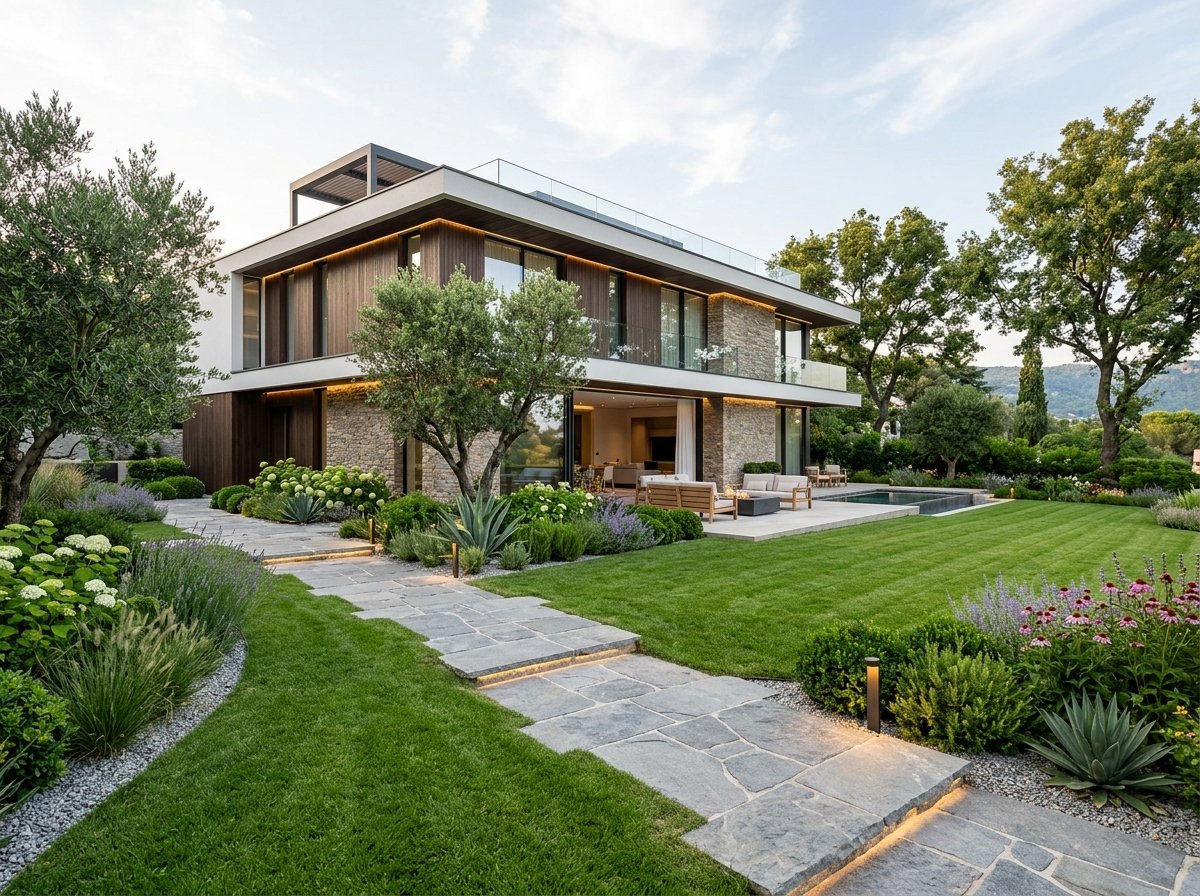
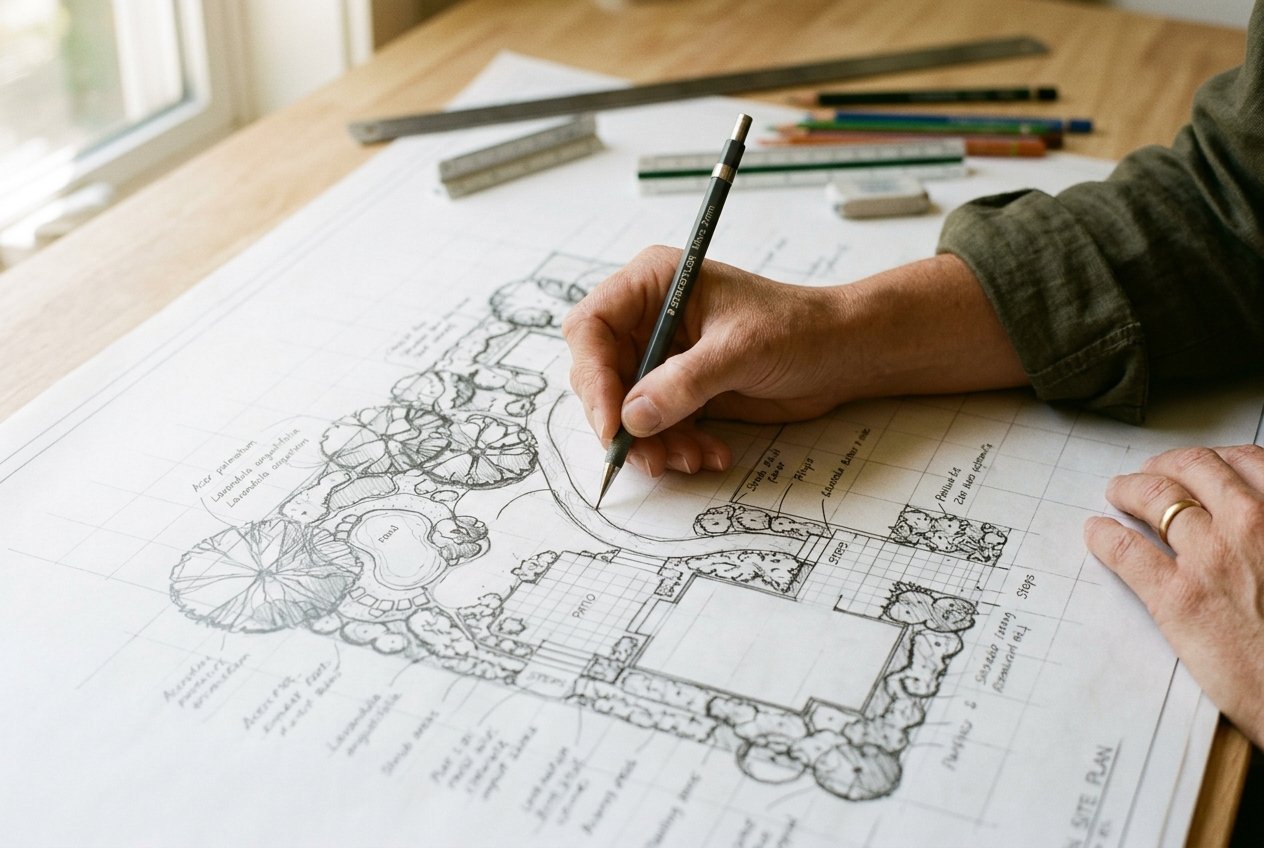
A well-designed outdoor space can transform the appearance, comfort, and functionality of a property. Landscaping is the process of planning and arranging natural and built elements to create an attractive and useful outdoor environment. It involves much more than simply planting trees and flowers. Proper landscape design considers space, plants, pathways, structures, lighting, water features, maintenance, and the overall character of the property.
Understanding the principles and elements of landscaping is essential for creating a balanced and visually appealing outdoor space. Design principles such as balance, proportion, unity, rhythm, contrast, and simplicity help organize different landscape elements effectively.
There are also many types of gardens, including formal gardens, informal gardens, Japanese gardens, tropical gardens, vertical gardens, rock gardens, water gardens, and kitchen gardens. Each garden style has its own characteristics and can be selected according to the available space, climate, purpose, and maintenance requirements.
In this guide, we will explore the important elements and principles of landscape design and understand the different types of gardens commonly used in landscaping.
What Is Landscaping?
Landscaping is the art and science of designing, arranging, and maintaining outdoor spaces. It combines natural features such as plants, trees, lawns, soil, and water with built elements such as pathways, walls, seating areas, lighting, and decorative structures.
A good landscape design should achieve a balance between beauty and functionality. It should enhance the property while also creating a comfortable environment for people to use and enjoy.
Professional landscaping principles are applied across diverse environments to elevate living standards and commercial value:
Elements of Landscape Design
The elements of landscape design are the basic visual components used to create an attractive and organized outdoor space. Understanding these elements helps designers make better decisions about plants, materials, structures, and spatial arrangements.
Line
Line is an important element used to guide movement and create direction within a landscape. Lines can be created through pathways, garden borders, walls, plant arrangements, fences, and edges of lawns.
Form
Form refers to the three-dimensional shape and structure of plants and landscape features. Trees, shrubs, buildings, sculptures, and topiaries all possess unique forms.
Texture
Texture describes the visual and tactile appearance of surfaces, foliage, and hardscape materials. Plants are classified into fine, medium, and coarse textures.
Colour
Colour is one of the most immediate, noticeable elements. It originates from seasonal blossoms, persistent foliage, paving stone tones, retaining walls, and outdoor furniture.
Space
Space encompasses both the positive space occupied by plantings/structures and the negative open areas (lawns, courtyards, terraces) between them.
Light
Light shapes how a garden feels and functions around the clock. Natural sunlight dictates plant vitality, while architectural low-voltage lighting extends usability into the night.
Principles of Landscape Design
The principles of landscape design provide fundamental rules and guidelines for arranging different visual elements into a harmonious, functional, and aesthetically pleasing whole.
Balance
Balance creates visual equilibrium and stability across the landscape by distributing plants, structures, colours, and weights appropriately.
Proportion (Scale)
Proportion refers to the size relationship between individual elements and the surrounding architecture or property. A massive banyan tree will overwhelm a modest villa courtyard, while diminutive groundcovers will disappear across an expansive estate lawn. Scaling elements to match human and architectural proportions ensures natural comfort.
Unity
Unity ensures that every zone, plant grouping, and hardscape material feels like part of a single, cohesive masterplan rather than a disconnected collage. Unity is achieved through consistent material palettes, complementary color harmonies, recurring motifs, and unified design themes.
Rhythm & Repetition
Rhythm is created by repeating similar plants, materials, lighting bollards, or geometric forms at measured intervals. Repetition guides the human eye naturally through outdoor corridors, creating continuous visual rhythm and calming predictability.
Contrast
Contrast introduces visual excitement by intentionally pairing opposing characteristics: dark foliage against white masonry, fine grasses against large boulder outcrops, or crisp rectilinear pathways cutting through soft meadow plantings. Used judiciously, contrast prevents monotony while preserving overall harmony.
Focal Point
A focal point is an intentional visual anchor that instantly captures attention upon entering a space. Exceptional focal points include bespoke water fountains, sculptural specimen trees, fire pits, ornate gazebos, or framed panoramic view corridors.
Simplicity
Simplicity prioritizes elegance, restraint, and intentionality over cluttered complexity. Limiting the plant palette to 5–8 high-performing species and using 2–3 complementary paving materials makes the garden easier to build, effortless to maintain, and far more sophisticated.
10 Distinct Types of Gardens in Landscaping
Selecting the ideal garden typology depends on regional climate, site dimensions, architectural styling, lifestyle aspirations, and maintenance capacity. Here are the 10 most popular garden styles used across residential and commercial landscaping:
1. Formal Garden
Defined by crisp geometric symmetry, straight allées, clipped boxwood hedges, topiary forms, and central water axes. Best suited for classic estates and prestigious institutional facades.
2. Informal Garden
Celebrates natural curves, meandering stepping paths, cottage-style perennial layering, and organic drifts of greenery. Perfect for relaxed family homes and countryside villas.
3. Japanese (Zen) Garden
Emphasizes contemplative stillness, balance, and symbolism. Incorporates raked gravel oceans, moss islands, granite lanterns, bamboo water spouts, and sculpted pine specimens.
4. Tropical Garden
Features dense, multi-tiered canopies, bold broad-leaved plants, exotic palms, vibrant heliconias, and humid microclimates. Highly popular in tropical and resort developments.
5. Vertical Garden (Living Wall)
Cultivates automated living walls on vertical structural panels, modular felt systems, or trellis cables. The ultimate solution for compact urban plots, balconies, and courtyards.
6. Rock (Alpine) Garden
Artfully combines natural rugged boulders, scree, gravel mulch, and drought-hardy succulents or alpines. Ideal for sloped terrain, arid climates, and low-water xeriscaping.
7. Water Garden
Centered around dynamic or reflective water elements: koi ponds, aquatic water lilies, naturalistic bio-pools, and bubbling stone urns that introduce soothing acoustic therapy.
8. Roof Garden & Terrace
Engineered atop residential or commercial rooftop slabs using lightweight engineered substrate, containerized trees, pergolas, and integrated drainage-waterproofing layers.
9. Herb Garden
Dedicated to aromatic and culinary herbs such as basil, rosemary, mint, oregano, and lavender. Can be designed as raised planter boxes, kitchen windowsill arrays, or geometric parterres.
10. Kitchen Garden (Potager)
Blends aesthetic landscaping with organic vegetable and fruit production. Uses timber raised beds, companion planting, espaliered fruit trees, and gravel paths for harvest access.
Softscape vs Hardscape in Landscaping
A masterfully executed landscape achieves a visual and structural balance between softscape (living elements) and hardscape (built masonry structures):
| Aspect | 🌿 Softscape (Living Elements) | 🧱 Hardscape (Built Elements) |
|---|---|---|
| Definition | Living, growing, biological components of the design. | Non-living, rigid, structural elements of the site. |
| Primary Components | Shade trees, palms, shrubs, turfgrass, flowering perennials, groundcovers, and herbs. | Pavers, natural stone pathways, retaining walls, pergolas, fire pits, water fountains, and decking. |
| Primary Role | Provides biological color, cooling shade, oxygen, tactile texture, fragrance, and seasonal evolution. | Provides physical boundaries, circulation routes, structural grade retention, seating, and durability. |
| Maintenance | Requires pruning, mowing, fertilization, seasonal pest control, and smart irrigation. | Requires periodic joint sealing, pressure washing, and structural inspection. |
How to Choose the Right Garden Style
Before finalizing a landscape blueprint, evaluate these five critical project parameters:
- Available Space & Site Topography: Compact balconies demand vertical systems; rolling acreage accommodates extensive lawns, woodlands, and multiple themed garden rooms.
- Regional Climate & Weather Extremes: Select native or climate-adapted flora that thrive under local rainfall, temperature highs, and humidity.
- Sunlight Exposure Patterns: Map full-sun (6+ hours), partial shade, and deep shade pockets across the day to guide plant positioning.
- Maintenance Budget & Routine: Be realistic about upkeep capacity. Formal gardens need weekly clipping; rock and xeriscape gardens require minimal interventions.
- Lifestyle Purpose: Align spatial layout with entertainment needs, children’s play, private meditation, culinary production, or pet safety.
Sustainable Landscaping Practices
Modern landscape design emphasizes ecological responsibility. Implementing sustainable practices reduces operational costs while preserving natural resources:
- Climate-Appropriate Planting: Prioritize indigenous species with built-in pest resilience and drought tolerance.
- Smart Water Management: Deploy drip irrigation, soil moisture sensors, and rainwater harvesting cisterns.
- Permeable Hardscapes: Utilize gravel channels and permeable pavers to recharge groundwater aquifers and stop surface runoff.
- Organic Soil Health: Apply 2–3 inches of organic mulch to conserve moisture, regulate root temperatures, and eliminate weed pressure naturally.
5 Costly Landscape Mistakes to Avoid
- Choosing Plants Without Climate Consideration: Planting water-thirsty temperate exotics in arid zones leads to guaranteed mortality.
- Overcrowding the Space: Forgetting mature plant spreads leads to choked airflow, fungal disease, and costly removals within 3 years.
- Ignoring Maintenance Realities: Designing high-demand topiaries without an allocated pruning crew results in neglected, overgrown eyesores.
- Poor Pathway Geometry: Designing narrow or disjointed paths forces pedestrians to create unsightly desire paths across manicured lawns.
- Mixing Clashing Design Themes: Blending Japanese Zen elements directly with European formal topiary destroys unity and visual peace.
Frequently Asked Questions
The six primary elements of landscape design are line, form, texture, colour, space, and light. These visual building blocks are intentionally arranged to establish movement, visual interest, and structural organization.
The foundational principles are balance, proportion (scale), unity, rhythm (repetition), contrast, focal point, and simplicity. They guide how elements work together in harmony.
The 10 common garden styles include formal gardens, informal gardens, Japanese Zen gardens, tropical gardens, vertical living walls, rock gardens, water gardens, roof terraces, herb gardens, and kitchen potagers.
Softscape encompasses all living, horticultural components (trees, shrubs, lawn, perennials), while hardscape comprises all non-living structural features (paved paths, retaining walls, decks, pergolas, and water bodies).
Evaluate available square footage, local climate/temperature ranges, daily sun exposure, maintenance availability, budget, and how you intend to use the outdoor living space.
Design principles ensure the finished property is cohesive, comfortable, easy to navigate, structurally sound, and capable of increasing overall real estate and psychological value for years to come.
Conclusion
Understanding the principles and elements of landscaping is an important part of creating a successful outdoor environment. Elements such as line, form, texture, colour, space, and light provide the visual foundation of a landscape, while principles such as balance, proportion, unity, rhythm, contrast, focal point, and simplicity help organize these elements effectively.
At the same time, choosing the right garden style can make a landscape more suitable for its location and purpose. From formal and informal gardens to Japanese, tropical, vertical, rock, water, roof, herb, and kitchen gardens, there are many options to explore.
A successful landscape is not simply a collection of plants and decorative features. It is a carefully planned combination of nature, design, functionality, and sustainability. By understanding landscape design principles and selecting the appropriate garden type, it is possible to create an outdoor space that is beautiful, practical, comfortable, and enjoyable for years to come.
Master Landscape Architecture & Garden Design Hands-On
Learn landscape design principles, softscape selection, AutoCAD/3D drafting, and live site execution from industry masters at Kerala’s premier landscape training academy.